Technical guides
Materials
Each material places different demands on tooth geometry, hook angle and tooth count. These guides start with the material and lead to compatible blade families.
11 guides available
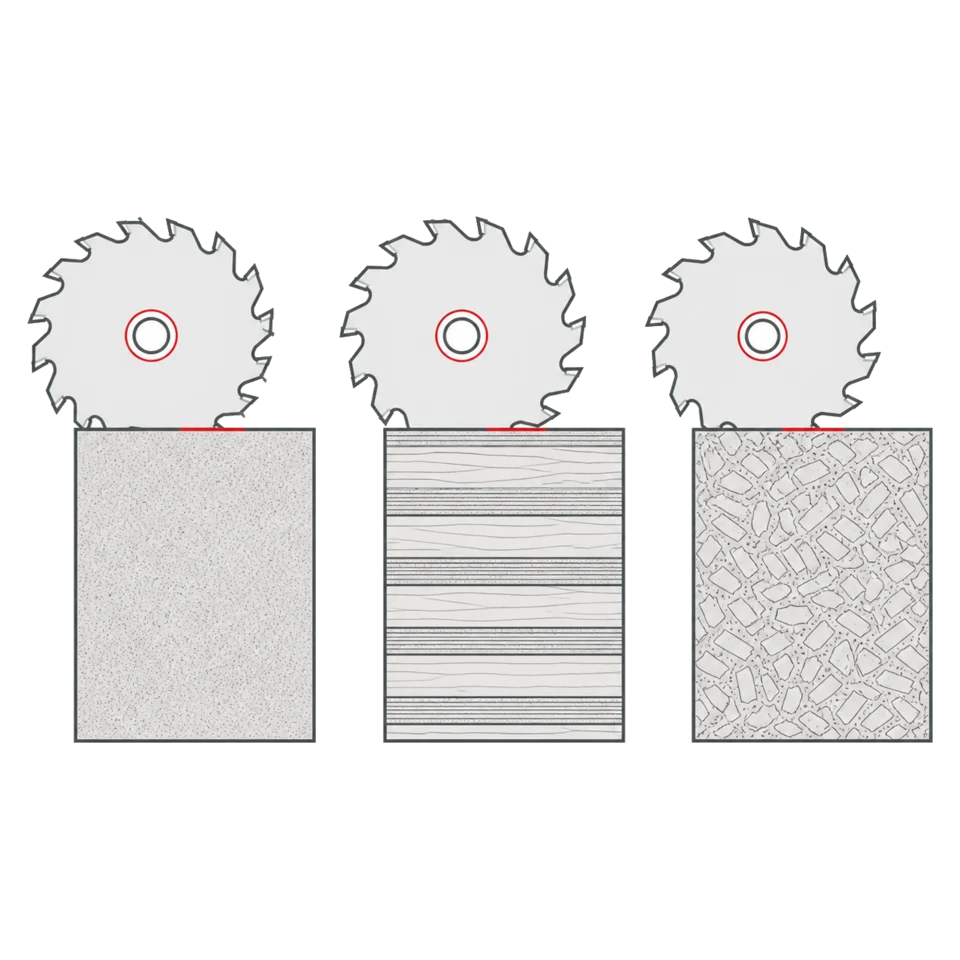
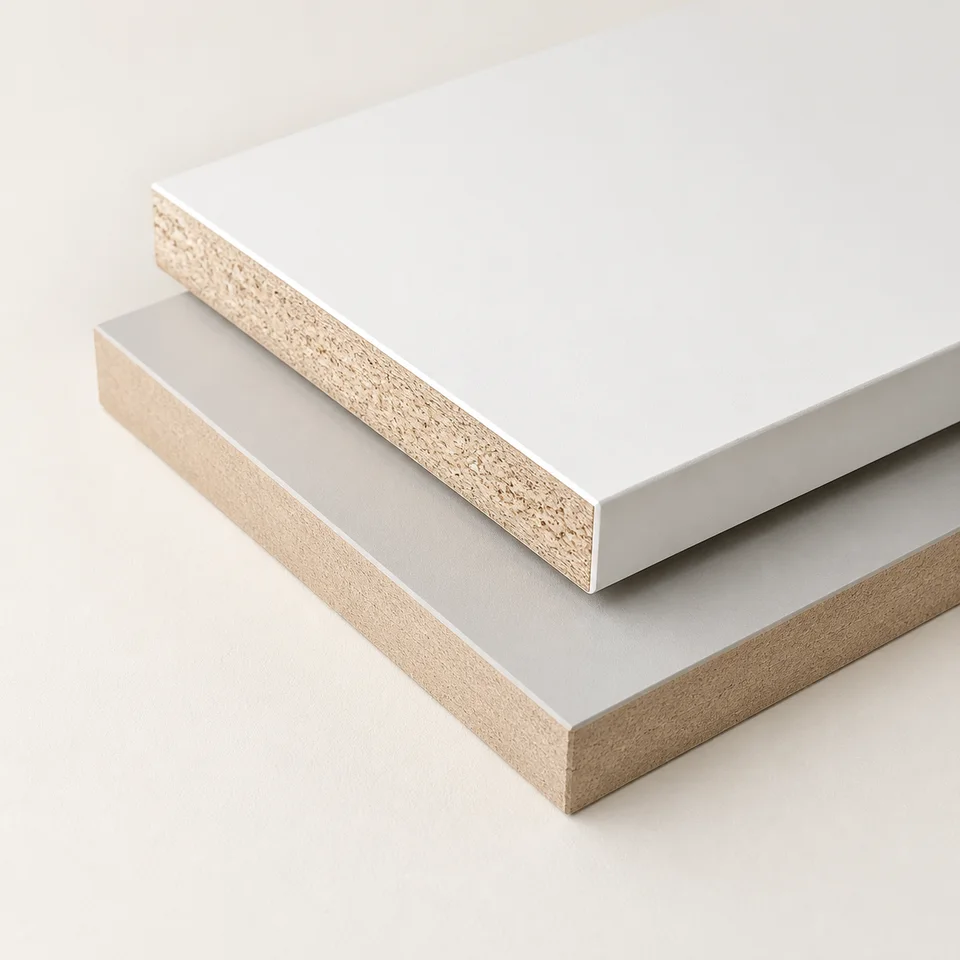
- 01 Which blade for MDF, plywood and chipboard? MDF demands finish but accelerates wear because its resin abrades the edge. Plywood requires geometry that severs the changing grain directions in its outer veneers. Raw chipboard is highly abrasive and generally benefits from a medium tooth count. If any of them is coated, the surface layer matters more than the substrate.
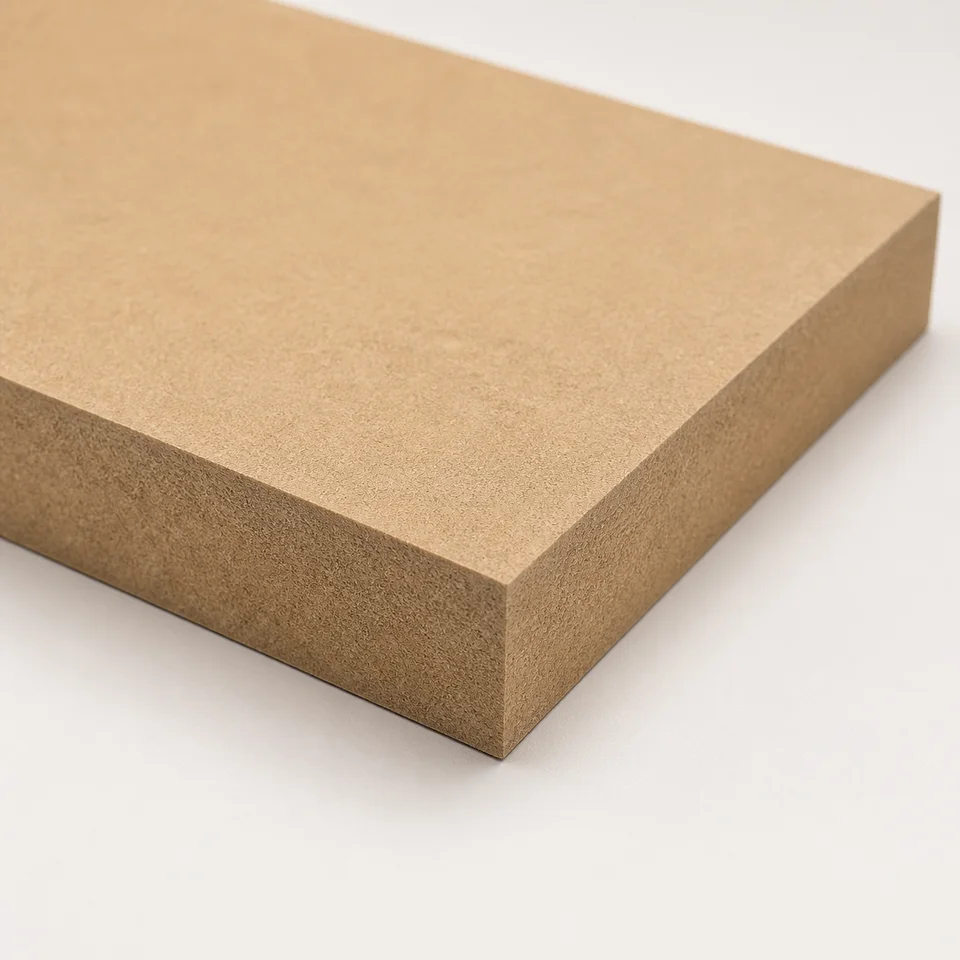
- 02 MDF: structure, cutting behaviour and blade selection MDF is wood fibre reconstituted with thermosetting resin under pressure and heat. It has no grain, so cutting direction does not change its basic behaviour. Resin distributed throughout the board is abrasive and wears the edge continuously. A suitable blade uses an appropriately fine tooth count, moderate positive hook and carbide selected for wear resistance.
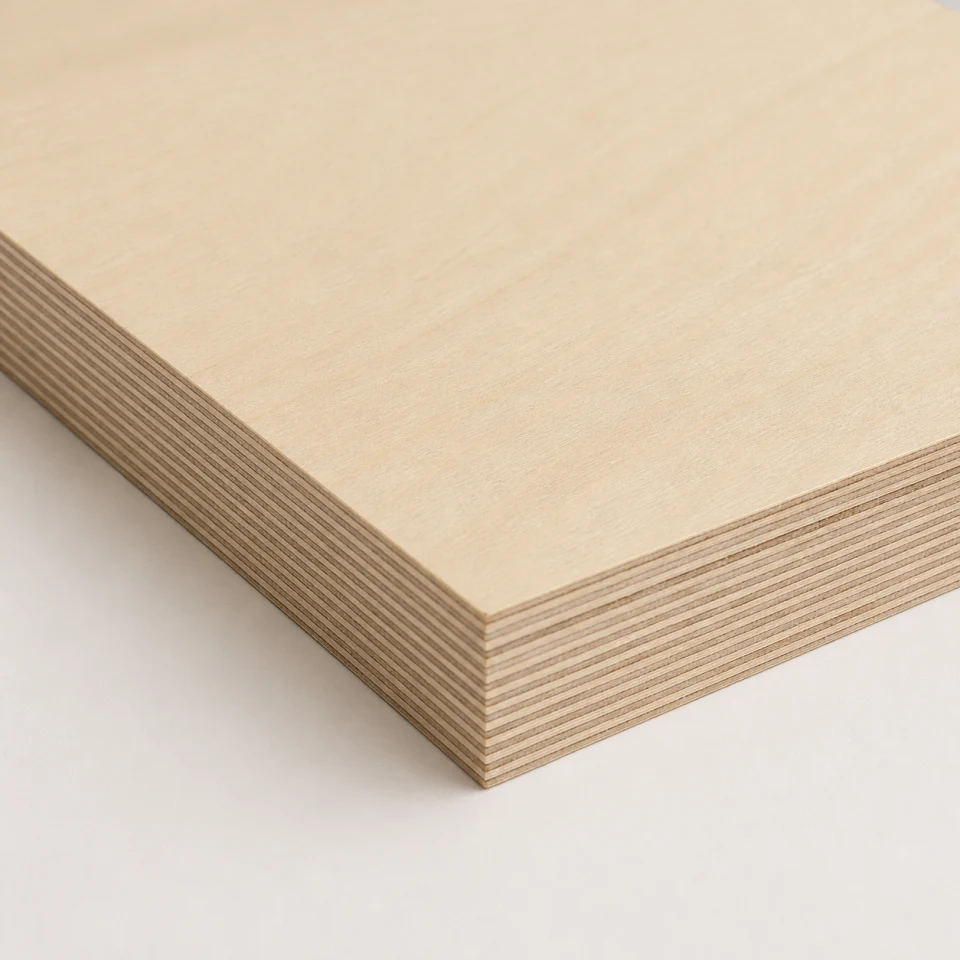
- 03 Birch plywood: what it is and how to cut it cleanly Birch plywood consists of thin veneers bonded with alternating grain directions. Its density, numerous glue lines and cross-laminated structure call for a fine-tooth blade with a pronounced alternate bevel, a moderate hook angle and carbide suited to abrasive bonded panels.
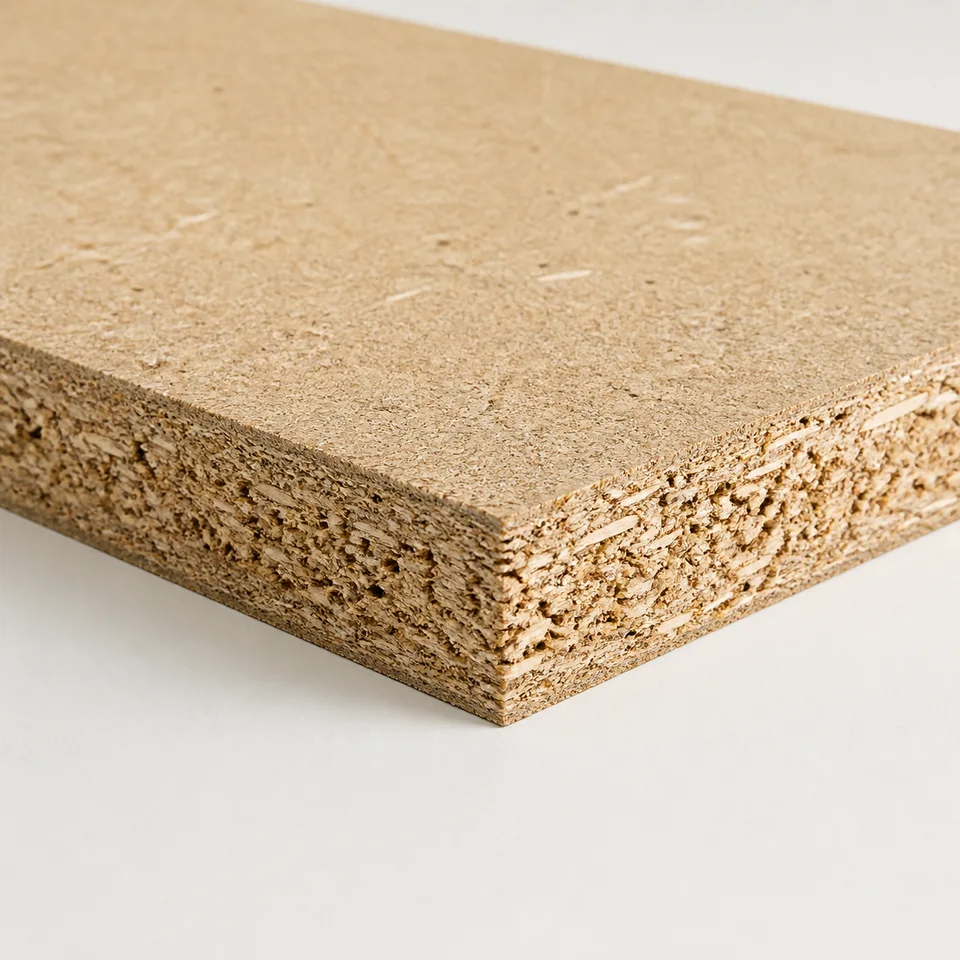
- 04 Chipboard: structure, cutting behaviour and blade selection Chipboard consists of differently sized wood particles bonded with resin and pressed into layers: coarse in the core and fine at the surfaces. This variation makes the exit edge prone to breaking. A suitable blade uses a medium tooth count, ATB geometry on raw board and abrasion-resistant carbide because the binder contributes heavily to cutting-edge wear.
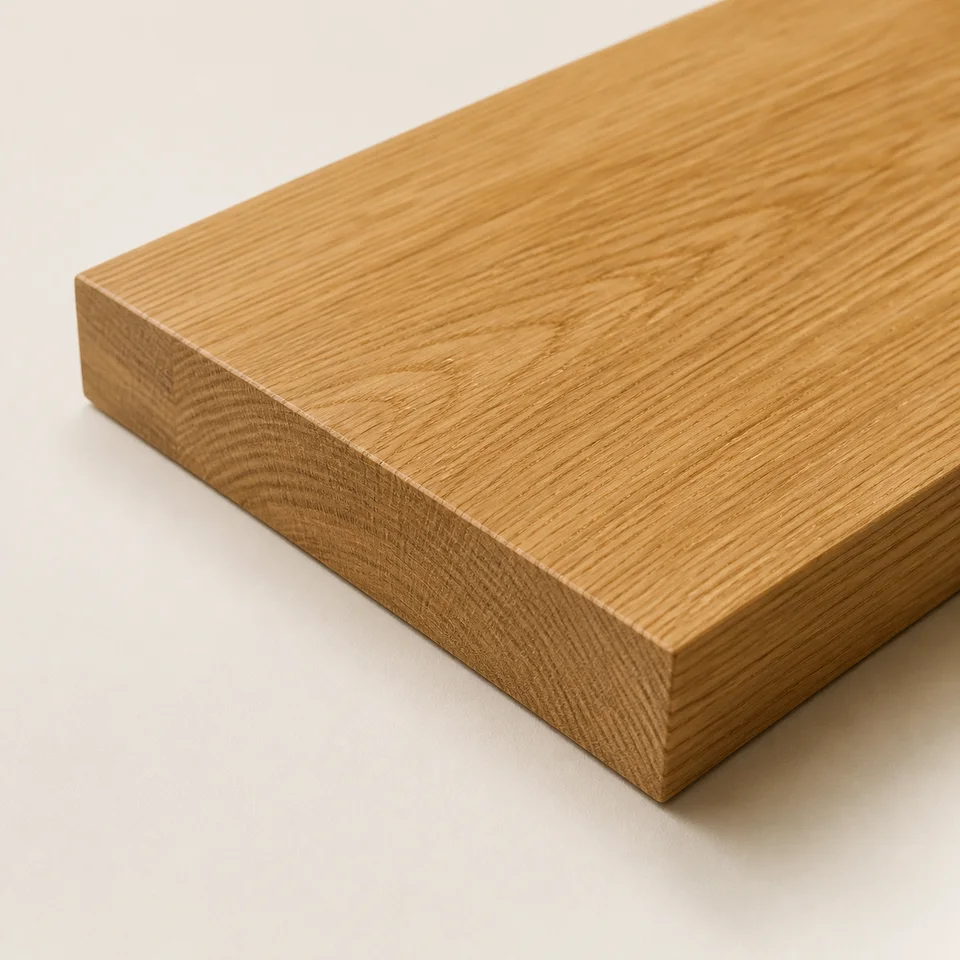
- 05 Solid wood: grain direction and circular saw blade selection Solid wood has a directional structure: its grain. Ripping and crosscutting are different operations requiring opposite tooth-count strategies. Ripping needs few teeth and large gullets for long chips; crosscutting needs more teeth and an inclined edge that severs fibres before lifting them. Moisture, knots, resin and species density refine the choice.
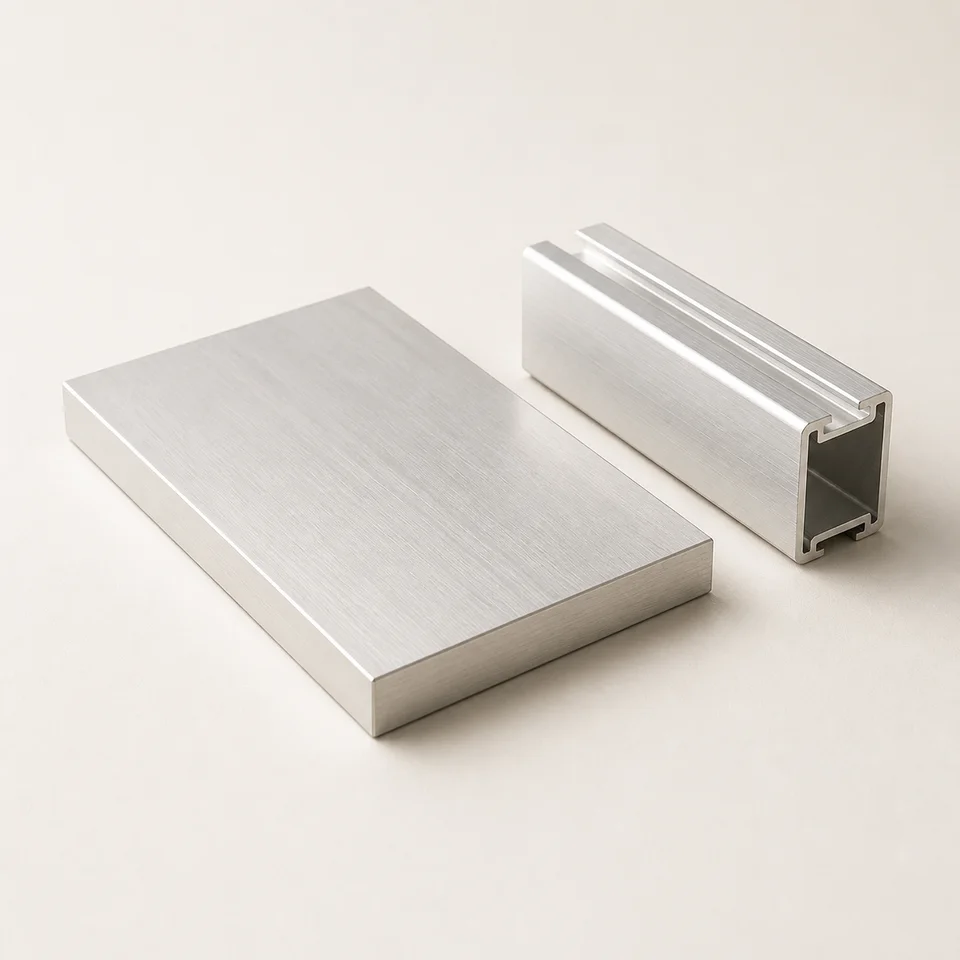
- 06 Aluminium: how to choose a circular saw blade Aluminium is soft, ductile and highly conductive. Beneath the tooth it deforms rather than fractures and can weld itself to the cutting edge. A suitable blade uses triple-chip geometry to break the chip, a zero or negative hook angle for profiles, a high tooth count and a moderate kerf. Using a wood blade on an aluminium profile is dangerous, not merely unsuitable.
- 07 Melamine-faced and two-sided laminated panels: blade selection When cutting melamine-faced or two-sided laminated board, the critical material is the hard brittle surface rather than the wood-based core. It tends to chip where the tooth exits. The reference solution uses geometry that scores the surface before removing the substrate—typically TCG with a scoring blade on a squaring saw—and a high tooth count with a modest or negative hook angle.
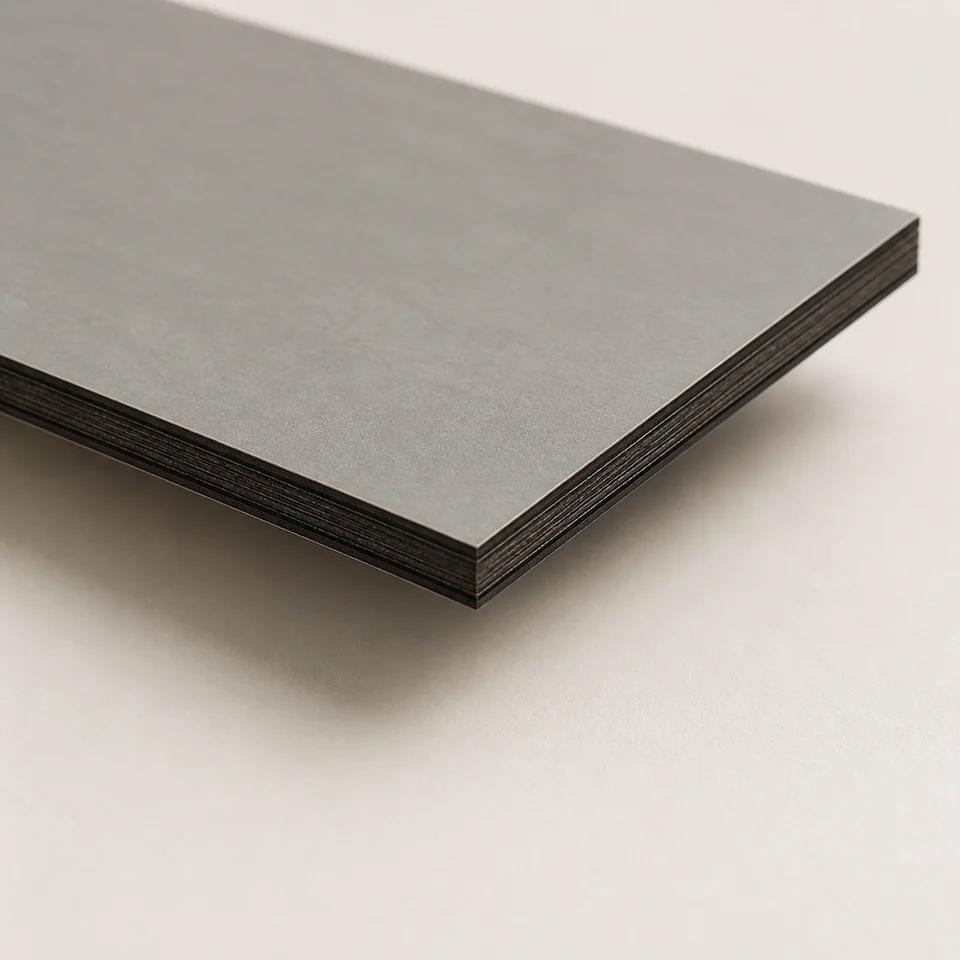
- 08 HPL high-pressure laminate: how to choose a blade HPL consists of resin-impregnated paper layers consolidated under high pressure and temperature into a dense, hard and abrasive material. Compact HPL is the panel itself rather than a thin coating on a wood core. A suitable blade uses TCG geometry to protect tooth corners, a zero or negative hook angle where required by the machine, and an abrasion-resistant carbide grade.
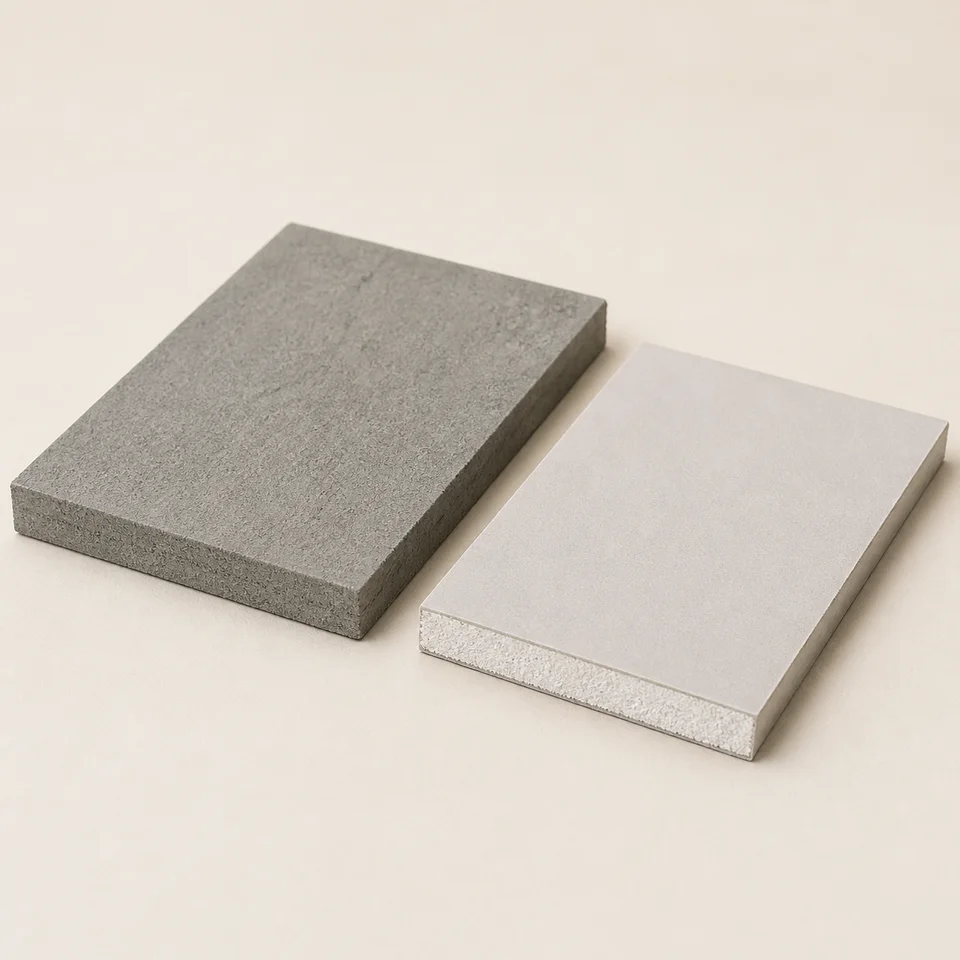
- 09 Fibre cement and plasterboard: how to choose a blade Fibre cement is a fibre-reinforced cementitious composite; plasterboard is a gypsum core between paper liners. Neither is especially hard, but both contain abrasive minerals. Suitable blades use polycrystalline diamond rather than conventional carbide, very low tooth counts—often four to eight—and large gullets to evacuate fine dust.
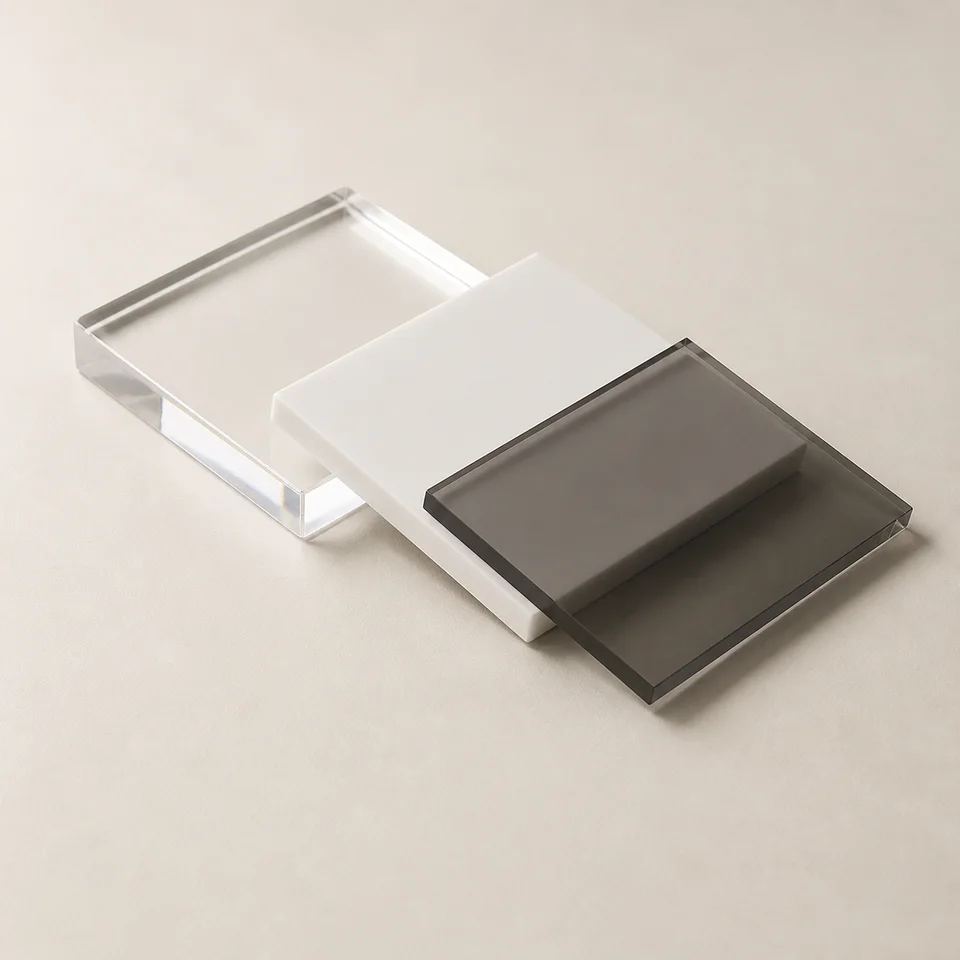
- 10 Plexiglas and plastic materials: how to cut them Engineering plastics fall into two groups with different behaviour: rigid, brittle materials such as Plexiglas can chip, while tough polymers can deform and re-fuse. In both cases frictional heat is the central problem. The appropriate blade generally uses triple-chip geometry, a negative or modest hook angle, a high tooth count and a steady feed that must not be allowed to stall.
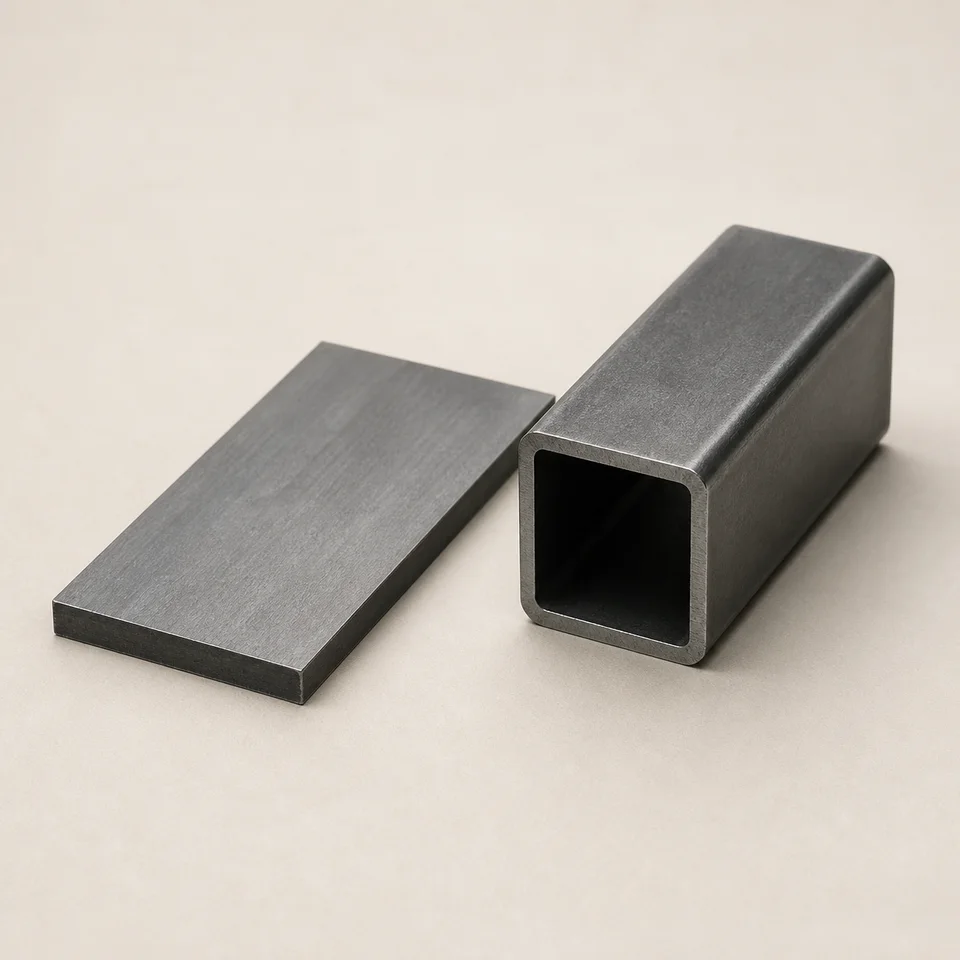
- 11 Steel and ferrous metals: choosing a dry-cut blade Dry cutting steel with a carbide-tipped circular saw blade replaces abrasion with chip formation. It can leave the workpiece cool and the edge ready for the next operation, but requires a dedicated blade, double-trapezoidal teeth with approximately zero hook angle, a purpose-built dry-cut saw and strict observance of a rotational speed far below woodworking speeds.
Other topics