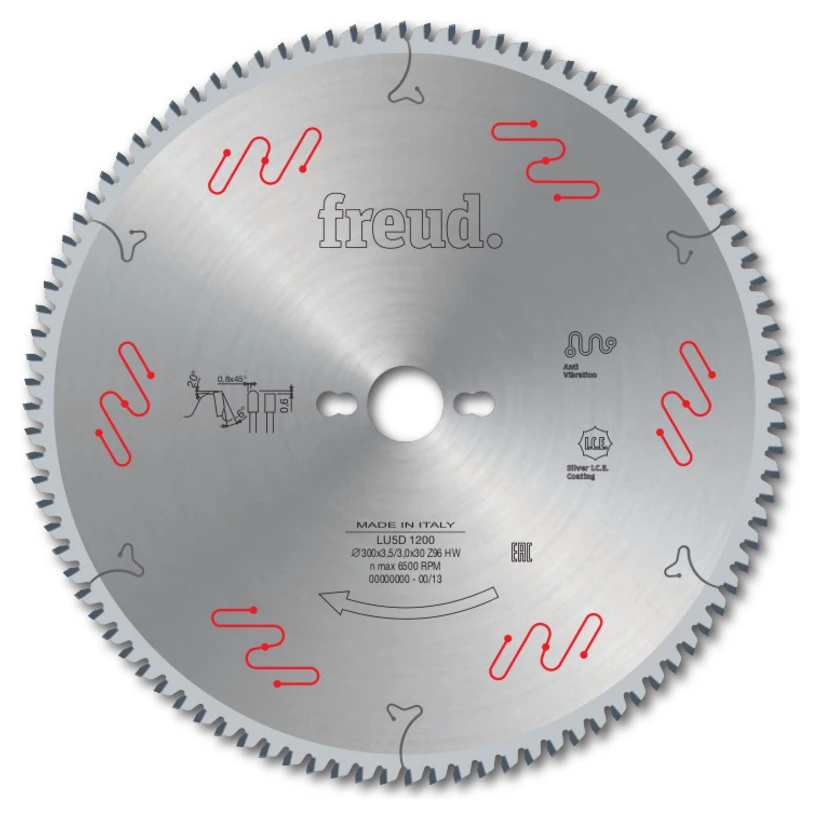
The LU5D range includes 29 configurations, with diameters from 160 to 500 mm, bore sizes from 20 to 50 mm and tooth counts from 42 to 140. Use the dimensional selector to identify compatible codes, then compare kerf, plate thickness and pin-hole pattern.
Application
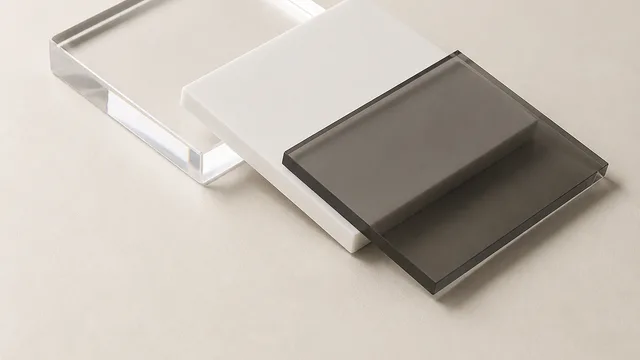
Cutting plastic materials
Eccellente
Application
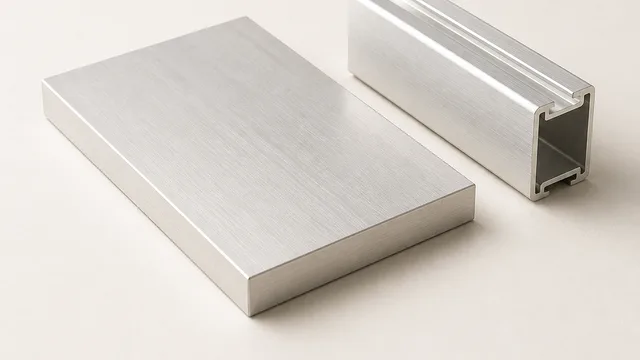
Cutting non-ferrous metals
Eccellente
Material
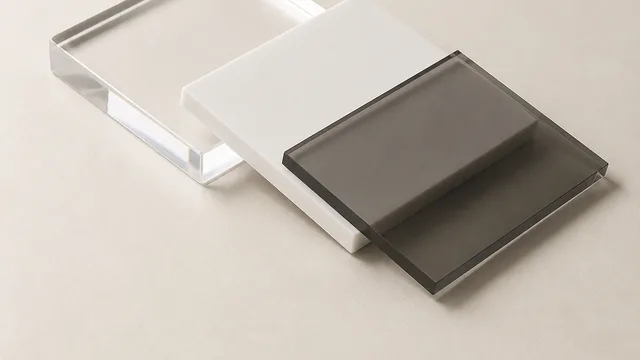
Plastic materials
Eccellente
Material
Aluminium
Eccellente
Material
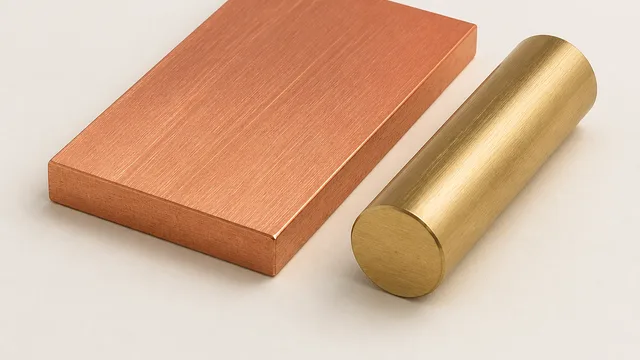
Copper and brass
Eccellente
Material
PVC
Excellent
Technical note
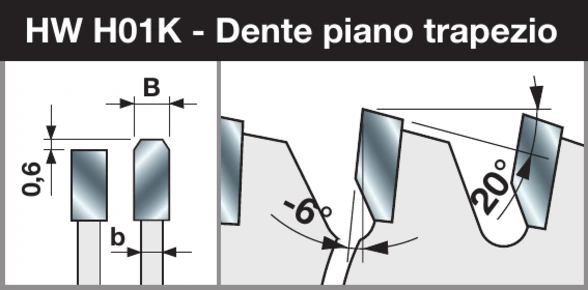
H01K carbide, Triple chip grind (TCG) tooth geometry, -6° tooth angle, -6° hook angle. Check blade diameter, bore, flange or pin-hole pattern and maximum RPM against the machine specifications before fitting.
Compatibility at a glance
Machines and materials
01 Compatible machines
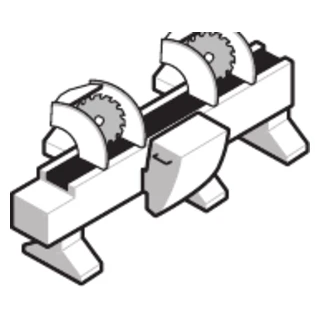
Double mitre sawsMitre saws
02 Suitable materials
Plastic materials
Materiale plastico
Performance: eccellente
Aluminium
Metallo non ferroso
Performance: eccellente
Copper and brass
Metallo non ferroso
Performance: eccellente
PVC
Profilo in materiale plastico
Performance: ottimo
Always check the pin-hole pattern
Technical configuration
Tooth geometry and technologies
Shared family specifications, kept separate from the dimensions of each individual code.
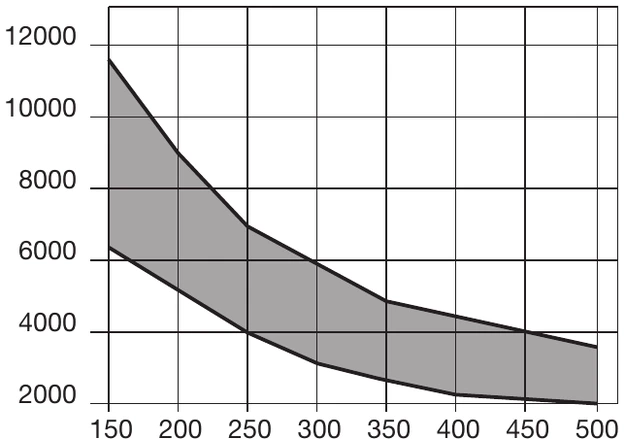
Speed and cutting height according to the family charts.
Frequently asked questions
Questions about the LU5D family
Quick answers for checking the application, compatibility and operating parameters before selecting a product code.
01What is the LU5D family designed for?
LU5D is designed for Cutting plastic materials and Cutting non-ferrous metals. Its suitability must be checked against the material, machine and exact variant specifications.
02Which materials can LU5D cut?
The family is specified for Plastic materials, Aluminium, Copper and brass, PVC. Material density, coating, thickness and condition can affect the resulting edge quality. For LU5D, verify the selected reference within its 160–500 mm diameter and 42–140-tooth range.
03Which machines can use LU5D blades?
The catalogue specifies Double mitre saws, Mitre saws. Before fitting, check diameter, bore, flange or pin-hole pattern and the permitted maximum speed. For LU5D, verify the selected reference within its 160–500 mm diameter and 42–140-tooth range.
04What tooth geometry does LU5D use?
The family uses Dente piano trapezio -6° tooth geometry. Refer to the technical note for the carbide grade and hook angle. For LU5D, verify the selected reference within its 160–500 mm diameter and 42–140-tooth range.
05How many LU5D variants are available?
There are 29 variants, with diameters from 160 to 500 mm, bores from 20 to 50 mm and tooth counts from 42 to 140. For LU5D, verify the selected reference within its 160–500 mm diameter and 42–140-tooth range.
06How do I select the correct LU5D code?
For LU5D, start with the machine bore (20–50 mm) and the required diameter (160–500 mm). Then select within the available 42–140-tooth range by comparing kerf, plate thickness and any pin holes or keyways.
07At what speed should a LU5D blade run?
The correct speed for an LU5D blade depends on the selected diameter, which ranges from 160 to 500 mm, and on the machine. Never exceed the lower of the maximum RPM marked on that blade and the machine manufacturer’s limit.
08Can LU5D blades be resharpened?
A specialist can assess and resharpen the Dente piano trapezio carbide teeth used by LU5D, provided the blade body is undamaged. The original geometry, angles and balance must be preserved; the number of possible services depends on the condition of the selected reference.
Guides
Guides related to this blade family
The catalogue starts with the tool; the guides start with the cutting problem. If you are still choosing, read these first.