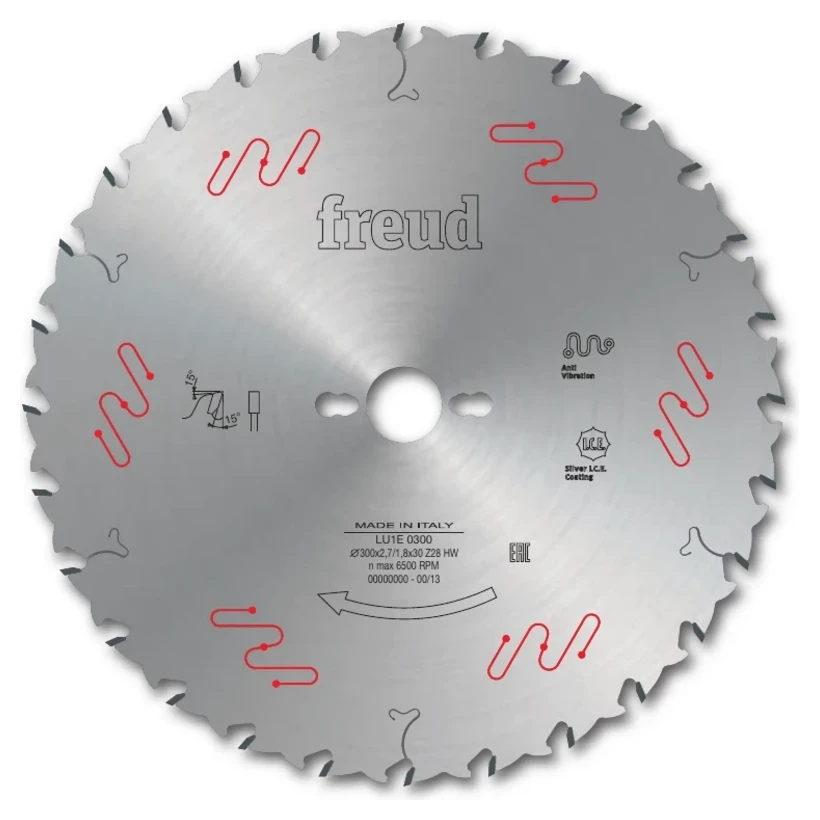
LU1E uses flat teeth and an anti-kickback design to make ripping dry softwood and hardwood easier, including timber with loose knots. Its five variants cover 250–350 mm diameters, 25–30 mm bores and 24–32 teeth.
Application
Ripping
Excellent
Material
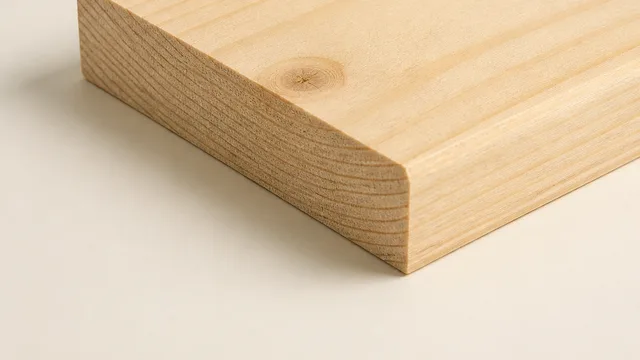
Softwood
Suitable
Material
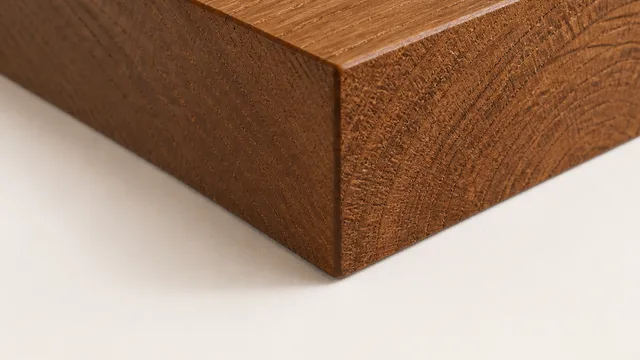
Hardwood
Suitable
Technical note
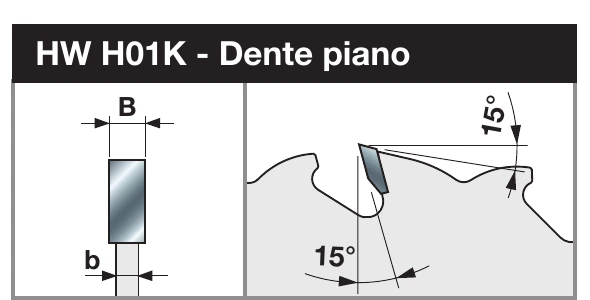
H01K carbide, flat tooth geometry and a positive 15° hook angle. The reduced kerf removes less material and supports easier feed. Check diameter, bore, pin holes, kerf and permitted machine speed before selecting a variant.
Compatibility at a glance
Machines and materials
01 Compatible machines
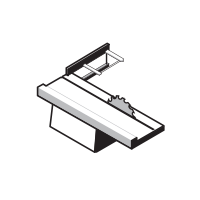
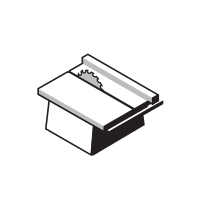
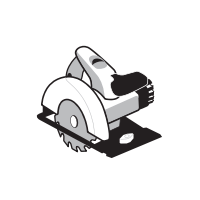
Squaring sawsTable sawsHand-held circular saws
02 Suitable materials
Softwood
Suitable material
Hardwood
Suitable material
Always check the pin-hole pattern
Technical configuration
Tooth geometry and technologies
Shared family specifications, kept separate from the dimensions of each individual code.
HW H01K15°
Dente piano
H01K carbide, flat tooth geometry and positive 15° hook angle.
TiCo Carbide
Specially formulated carbide tips for durability and cutting quality.
Silver I.C.E.
Coating designed to reduce friction, heat and material build-up.
Anti-vibration
Technology designed to reduce vibration and noise.
Anti-kickback
Anti-kickback design that controls tooth engagement with the material.
Operating parameters
Diameter, RPM and cutting height
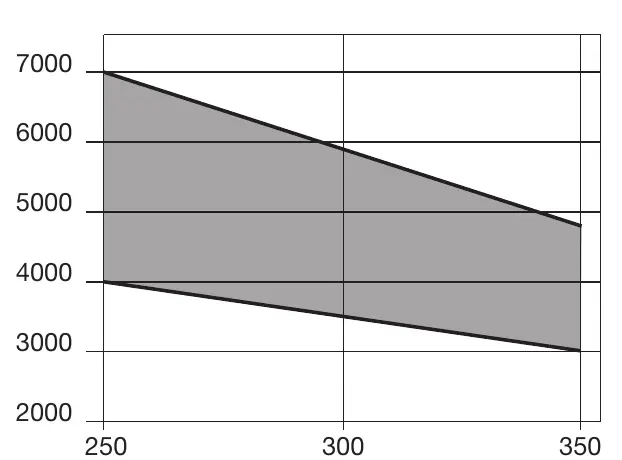
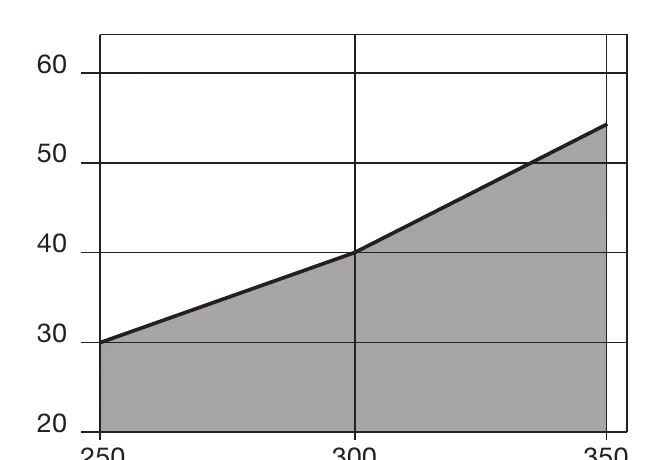
The charts show how the recommended speed and cutting capacity change across the LU1E range.
Revolutions per minuteDiameter (mm)
Rotational speed
The recommended RPM range decreases as blade diameter increases.
The actual speed must remain within the limits of both the blade and the machine.
Cutting height (mm)Diameter (mm)
Cutting capacity
Maximum cutting height increases with blade diameter.
This is a family-level reference; actual clearance and capacity also depend on the machine.
Essential check: before fitting the blade, check its diameter, bore, pin-hole pattern, direction of rotation and the maximum RPM marked on the blade.
Dimensional selector
Find the correct product code
Filter the variants by the two key dimensions, then compare kerf, plate thickness, tooth count and pin-hole patterns.
5 variants found
D diameterB kerfb plate thicknessd boreZ teethNL / KN pin holes and keyways
Code
Ø mm
Kerf B
Plate b
Bore d
Teeth Z
NL / KN
Article no.
LU1E0100
250
2.5
1.6
30
24
FT01
F03FS04630
LU1E0200
300
2.7
1.8
25
28
—
F03FS04632
LU1E0300
300
2.7
1.8
30
28
FT01
F03FS04634
LU1E0400
350
3
2.2
30
32
FT01
F03FS04636
LU1E0500
300
2.6
1.8
30
24
—
F03FS04638
FT01 2/7/42 + 2/9/46,4 + 2/10/60
Before choosing
The blade family is only the first step
Once LU1E has been identified, the exact product code depends on the machine requirements. The portal keeps these two decisions separate.
1
Check the machine
Permitted diameter, bore and pin holes.
2
Confirm the application
Ripping.
3
Choose the variant
Kerf, plate thickness and tooth count.
4
Check the operating parameters
Speed and cutting height according to the family charts.
Frequently asked questions
Questions about the LU1E family
Quick answers for checking the application, compatibility and operating parameters before selecting a product code.
01What is the LU1E family designed for?
LU1E is designed for ripping dry softwood and hardwood, including timber with loose knots, on compatible squaring saws, table saws and hand-held circular saws.
02What is the benefit of a thin kerf?
A thinner kerf removes less material and generally requires less cutting effort. The selected blade must still match the machine diameter, bore, plate thickness and permitted speed. For LU1E, verify the selected reference within its 250–350 mm diameter and 24–32-tooth range.
03Is LU1E suitable for crosscutting?
Its primary application is ripping. For a cleaner crosscut, use a family with tooth geometry and tooth count designed for crosscutting. For LU1E, verify the selected reference within its 250–350 mm diameter and 24–32-tooth range.
04How do I choose the correct LU1E code?
Check the permitted diameter, central bore, any pin holes, kerf and tooth count. The five variants use 250, 300 and 350 mm diameters with 25 or 30 mm bores. For LU1E, verify the selected reference within its 250–350 mm diameter and 24–32-tooth range.
05What does a flat tooth with a 15° hook angle mean?
A flat top tooth has a straight cutting edge suited to efficient ripping. LU1E combines H01K carbide with a positive 15° hook angle.
06What does FT01 mean?
FT01 identifies the combined 2/7/42 + 2/9/46.4 + 2/10/60 pin-hole pattern, which must match the machine flange or spindle. For LU1E, verify the selected reference within its 250–350 mm diameter and 24–32-tooth range.
07At what speed should an LU1E blade run?
Speed depends on the variant diameter. Consult the family chart and never exceed the limit marked on the blade or permitted by the machine. For LU1E, verify the selected reference within its 250–350 mm diameter and 24–32-tooth range.
08Can LU1E blades be resharpened?
A specialist can resharpen the carbide teeth while retaining the original geometry, angles and balance, after checking the blade body and anti-kickback shoulders. For LU1E, verify the selected reference within its 250–350 mm diameter and 24–32-tooth range.
Guides
Guides related to this blade family
The catalogue starts with the tool; the guides start with the cutting problem. If you are still choosing, read these first.